How to Pick the Best Crypto Exchange for Your Needs
https://www.kraken.com/learn/best-crypto-exchanges
Finding the right place to buy, sell, or trade digital assets is one of the most important decisions a crypto user can make. With so many platforms competing for attention, it is easy to get distracted by flashy marketing or low introductory fees. The best exchange for you depends on how you plan to use it, where you live, and how much control you want over your funds.
This guide breaks down the key factors to consider so you can make a confident, informed choice.
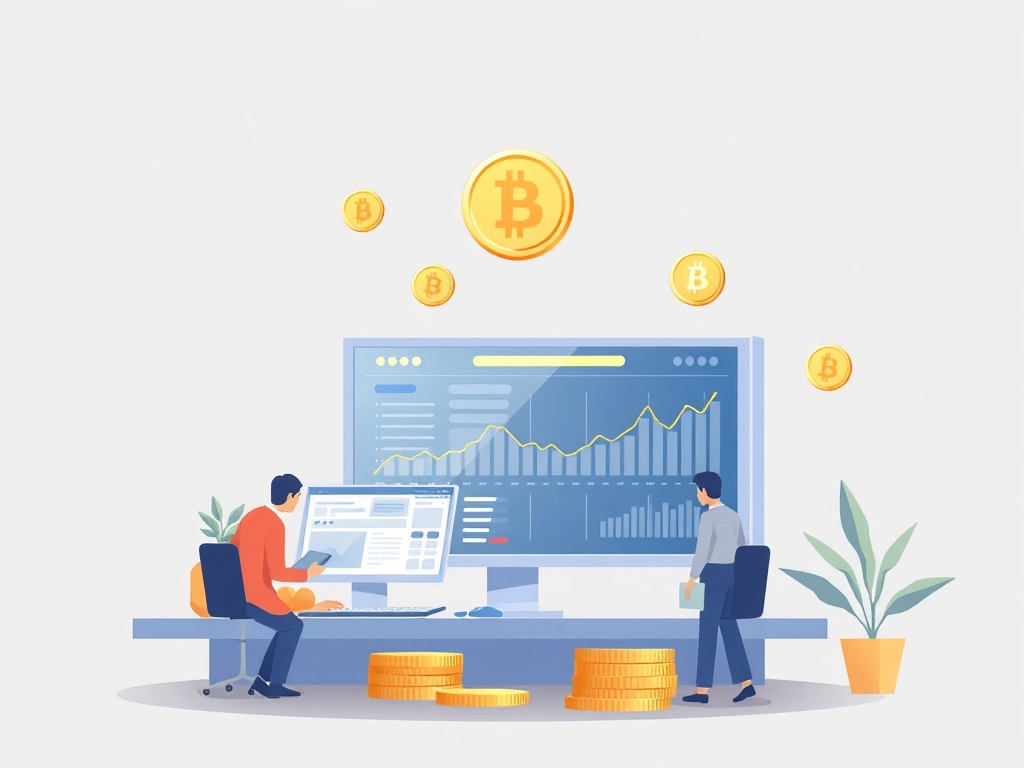
What Makes a Crypto Exchange Reliable?
A reliable exchange is more than a slick website or a popular mobile app. Before depositing any money, look at the platform’s reputation and track record. Ask yourself:
- Regulation and licensing: Is the exchange registered or licensed in your jurisdiction? Clear regulatory oversight does not guarantee safety, but it usually means the platform follows basic financial rules.
- Operational history: Platforms that have operated for several years without major incidents tend to have stronger infrastructure and security practices.
- Transparency: Do they publish regular audits, proof of reserves, or security reports? Openness builds trust.
- Customer support: Responsive support matters when withdrawals are delayed or account access is locked.
A trustworthy exchange should make it easy to find information about its team, legal entity, and security measures.
Types of Crypto Exchanges
Not every exchange works the same way. The three main categories differ in custody, speed, and user control.
| Type | Custody | Ease of Use | Best For |
|---|---|---|---|
| Centralized (CEX) | Exchange holds your funds | Beginner-friendly | Fast trades, fiat on-ramps, high liquidity |
| Decentralized (DEX) | You keep control of your wallet | Moderate | Privacy, permissionless trading, niche tokens |
| P2P | Escrow or direct settlement | Variable | Local payment methods, flexible pricing |
Centralized exchanges are the most common starting point because they accept bank transfers and cards and offer customer support. Decentralized exchanges appeal to users who want to trade directly from their own wallets without creating an account. P2P platforms are useful when traditional banking rails are limited.
Key Features to Compare
Once you know which type suits you, compare the details that affect everyday use:
- Fees: Trading fees, withdrawal fees, deposit fees, and spread costs can all eat into returns.
- Security: Two-factor authentication, cold storage, withdrawal whitelists, and insurance policies are essential.
- Liquidity: High liquidity means tighter spreads and faster execution, especially for larger trades.
- Supported assets: Make sure the platform lists the cryptocurrencies you actually want to trade.
- Payment methods: Check whether you can deposit via bank transfer, card, or crypto.
- User interface: A cluttered dashboard can lead to costly mistakes, especially for beginners.
Fees at a Glance
Fee structures vary widely. Some platforms charge a flat percentage per trade, while others use tiered maker-taker models. Here is a quick overview of common costs:
| Fee Type | Typical Range | What to Check |
|---|---|---|
| Spot trading fee | 0.1% – 0.5% per side | Maker vs. taker rates and volume discounts |
| Withdrawal fee | Flat or percentage | Network fees and minimum withdrawal amounts |
| Deposit fee | Often free for crypto | Card and bank transfer fees |
Always read the full fee schedule before you start trading. A platform advertising “zero fees” may make up the difference through wider spreads or higher withdrawal costs.
Security Checklist
Security should never be an afterthought. Even well-known platforms have faced breaches and insolvency events in the past. Protect yourself with these habits:
- Enable two-factor authentication on both login and withdrawals.
- Use a strong, unique password stored in a password manager.
- Withdraw long-term holdings to a personal hardware or software wallet.
- Check whether the exchange offers withdrawal address whitelisting.
- Look for platforms that publish proof of reserves or third-party audits.
No exchange is completely risk-free, so never keep more on a platform than you are actively trading.
User Experience and Asset Selection
A platform can have low fees and strong security but still feel frustrating to use. Consider the full experience before committing:
- Mobile and desktop apps: Do they crash, lag, or confuse you? Test with a small deposit first.
- Customer support channels: Live chat, email tickets, and help centers vary in quality.
- Educational resources: Beginner-friendly guides and market updates can speed up your learning curve.
- Advanced tools: Charting, API access, and staking options matter if you plan to trade actively.
Asset selection is equally important. If you are mainly interested in major coins like Bitcoin and Ethereum, most platforms will suffice. If you want exposure to newer tokens or specific ecosystems, you may need a more specialized exchange or a DEX.
Where to Compare Platforms
Instead of signing up for every exchange individually, you can save time by comparing offers in one place. Aggregator tools let you view rates, networks, and swap conditions side by side. For example, if you want to compare instant swap options across providers, a crypto exchange aggregator can help you find competitive rates without juggling multiple accounts.
These tools are especially handy when you are looking for a specific trading pair or trying to minimize network fees.
Putting It All Together
The best crypto exchange is the one that matches your personal needs and risk tolerance. A beginner prioritizing simplicity may prefer a regulated centralized platform with strong customer support. A privacy-focused trader may lean toward a decentralized exchange. Someone in a region with limited banking access may find P2P platforms more practical.
Start small, test the deposit and withdrawal process, and only increase your activity once you are comfortable with the interface and fees. Diversifying across more than one platform can also reduce risk, especially if you hold significant amounts of digital assets.
Take your time, read user reviews from multiple sources, and remember that convenience should never come at the cost of security.
Notes about images and links:
- The first image placeholder (
/images/crypto-exchange-comparison.jpg) should show a user comparing multiple exchange apps or websites on a phone or monitor. - The second image placeholder (
/images/crypto-security-basics.jpg) should visualize security concepts, such as a hardware wallet next to a trading screen. - The only external editorial link is the crypto exchange link in the “Where to Compare Platforms” section. No other external links are included.